European core standards: EN 13001‑3‑5 (design) + DIN 15401/15402 (dimensions) + CE Machinery Directive North‑American core standards: ASME B30.10‑2024 + OSHA 1910.179
1. Design Philosophy & Safety Factor
Europe (EN / DIN)
- Adopts limit‑state design method, checking ultimate limit state and serviceability limit state based on yield strength. Material grades are classified as P/S/T/V/W.
- Minimum breaking safety factor: 4 × WLL, adjusted according to crane working class M1‑M8. Higher factors apply for heavy‑duty and metallurgical applications.
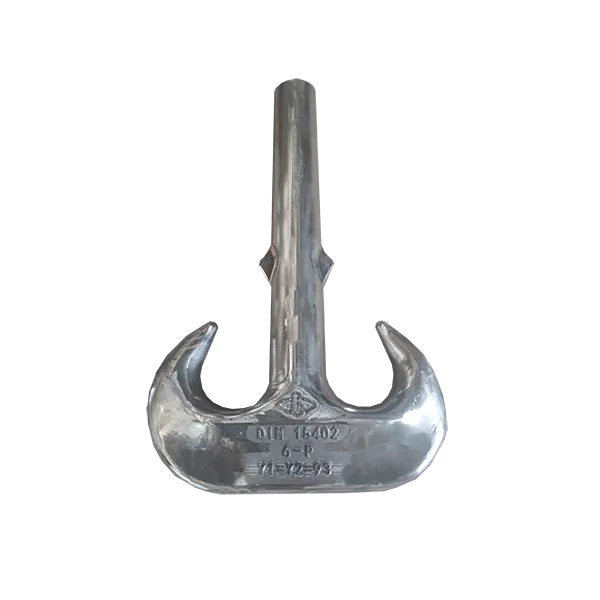
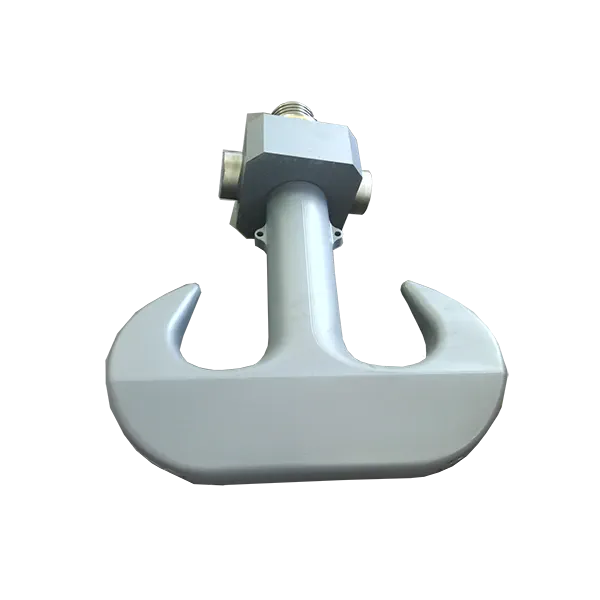
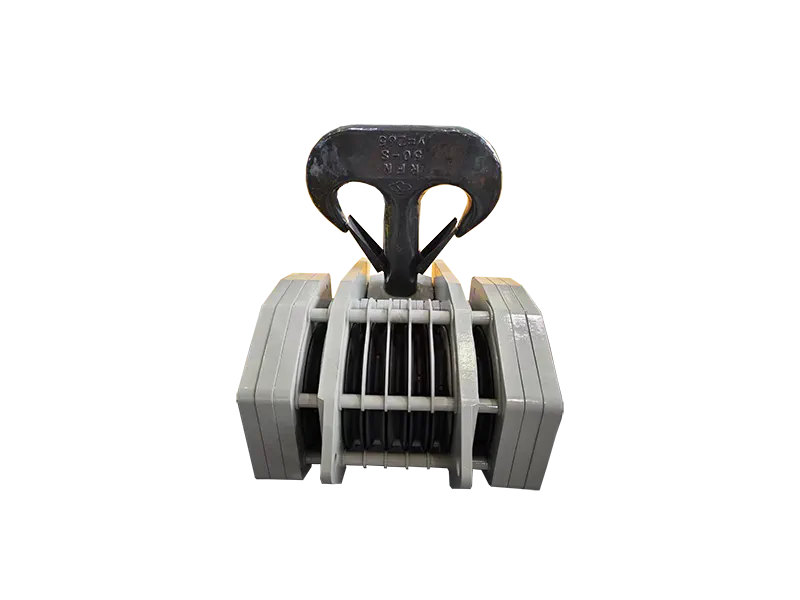
- DIN 15401 / 15402 provides complete standardized geometry dimensions for single hooks, ramshorn hooks, quad hooks, unmachined blanks, finished shanks and hook nuts. These dimensions are widely adopted worldwide.
North America (ASME B30.10)
- Uses traditional allowable‑stress design philosophy. Minimum breaking safety factor is 5 × WLL, higher than the European baseline; yield safety factor ≥ 3 × WLL.
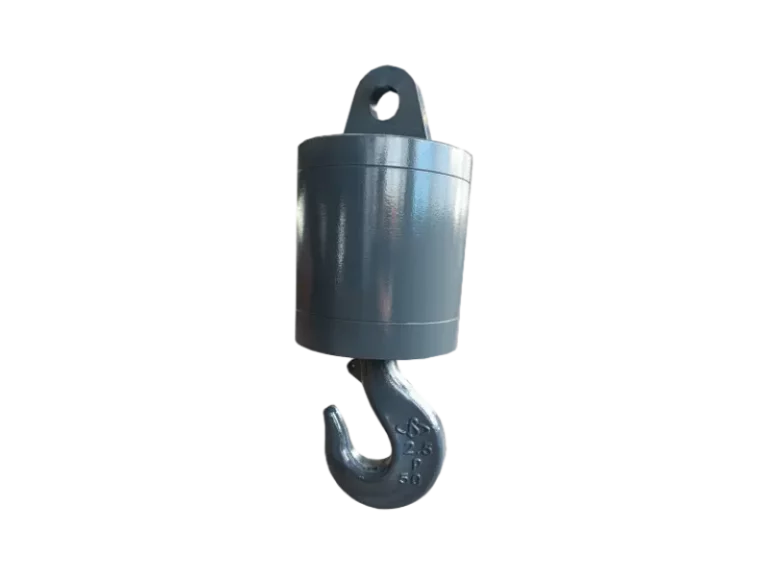
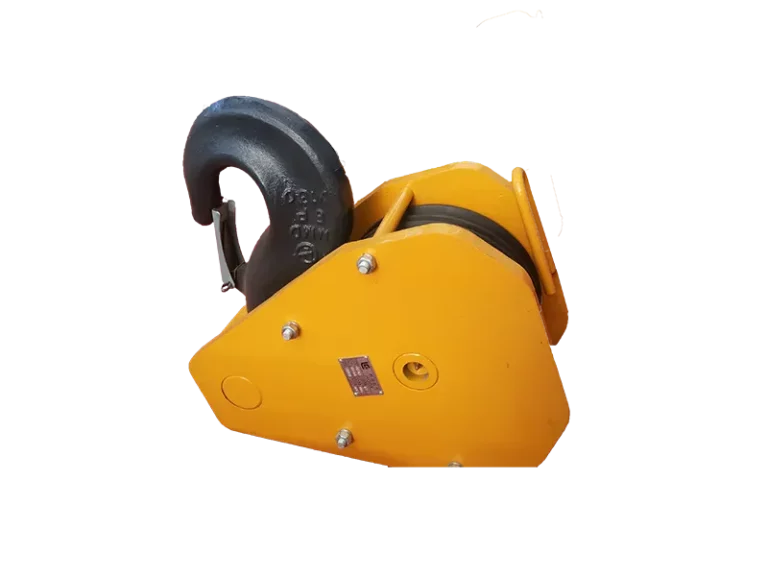
- No official standard dimensional tables for hook geometry. Hook profiles are manufacturer‑defined. Only performance, testing and discard criteria are regulated.
2. Material, Manufacturing & NDT
Europe
- Strict limits on sulphur and phosphorus impurities; requirements for elongation and low‑temperature impact toughness. Forgings have specified grain‑size classes. Weld repair on forged hooks is prohibited.
- Non‑destructive testing follows EN 10228, covering magnetic particle testing (MT) and ultrasonic testing (UT) with defined quality levels. Unmachined blanks only undergo forging and heat treatment; machining and load tests are performed on finished products.
- Mandatory documentation: EN 10204 3.1 material certificate; 3.2 third‑party certificate required for high‑risk projects.
North America
- Material specifications reference ASTM for steel forgings. Detailed mandatory clauses for low‑temperature impact and grain size are less prescriptive compared with European standards.
- MT and UT are compulsory, but under different NDT standards.
- No EN 10204 certificate system. Manufacturer material reports or third‑party lab reports are accepted.
3. Test Requirements
Europe EN / DIN
- Proof load: 2 × WLL. After loading, permanent throat opening deformation shall not exceed permitted limits; no cracks are allowed.
- Fatigue verification is required for type‑approval, mandatory for metallurgical and high‑cycle‑service hooks.
- CE marking: hook assemblies above 50 t require notified‑body type‑examination Module B+C2.
North America ASME B30.10
- Proof load is also 2 × WLL, held for 5 minutes; no cracks or harmful permanent deformation permitted.
- Less detailed prescriptive fatigue calculation clauses for type‑testing; compliance relies heavily on factory proof‑load test plus periodic in‑service inspection.
- No CE marking; governed by OSHA occupational‑safety regulations focusing on in‑service inspection.
4. Discard Criteria (Key Differences)
- Wear: Both systems require discard when cross‑section wear exceeds 10 %.
- Throat opening deformation:
- Europe per ISO 4309: discard when throat opening increases over 15 % of original dimension.
- ASME B30.10‑2024 is stricter: discard at 5 % increase OR 6 mm, whichever is smaller.
- Cracks: Zero‑tolerance rule in both standards — any visible crack requires immediate discard.
- Bending / twisting: ASME requires discard for any visible bending or twisting; Europe judges by measured permanent‑deformation percentage.
- Heat damage: Both standards mandate discard for hooks showing temper‑colour discoloration (blue / purple).
5. Marking, Documentation & Export Compliance
European Market
- Permanent marking: WLL, material grade V/W, serial number, standard reference (DIN 15401 / EN 13001‑3‑5).
- Required documents: material certificate, proof‑load test report, risk assessment, CE declaration of conformity.
North‑American Market
- Permanent marking: WLL, manufacturer’s trademark, serial number. DIN / EN references are not mandatory.
- Required documents: manufacturer test reports. CE is not required. OSHA inspections focus on hook condition and periodic‑inspection records.
Practical Sourcing Tips
- For Europe export: Use DIN 15401/15402 geometry with EN 13001‑3‑5 design; supply EN 10204‑3.1 certificates and CE documentation.
- For North‑America export: DIN‑profile hooks can be used, but safety factor must be calculated to 5 × WLL. Follow ASME B30.10‑2024 discard rules; do not simply apply the European 4× safety factor.
- Unmachined blanks: Clearly defined within DIN European system. No corresponding blank specification in North‑America. Blanks cannot be supplied directly for North‑American projects; full machining and complete testing are compulsory.
Comparison Table
表格
| Item | European EN‑DIN | North‑American ASME B30.10 |
|---|---|---|
| Breaking safety factor | ≥ 4 × WLL | ≥ 5 × WLL |
| Hook geometric dimensions | Full standard dimensions from DIN | Manufacturer‑defined, no official standard dimensions |
| Proof load | 2 × WLL | 2 × WLL |
| Throat‑opening discard threshold | > 15 % original opening | > 5 % or 6 mm (whichever smaller) |
| Material certificate | EN 10204‑3.1 / 3.2 | Manufacturer / third‑party material report |
| Compliance marking | CE declaration | OSHA compliance, no CE |
| Design methodology | Limit‑state design | Allowable‑stress design |
| Unmachined‑blank specification | Defined in DIN 15401‑1 | No equivalent blank standard |