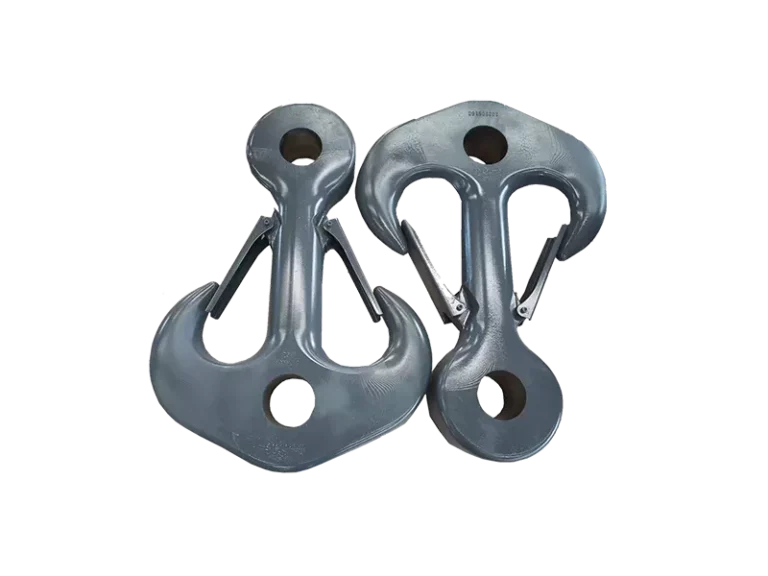
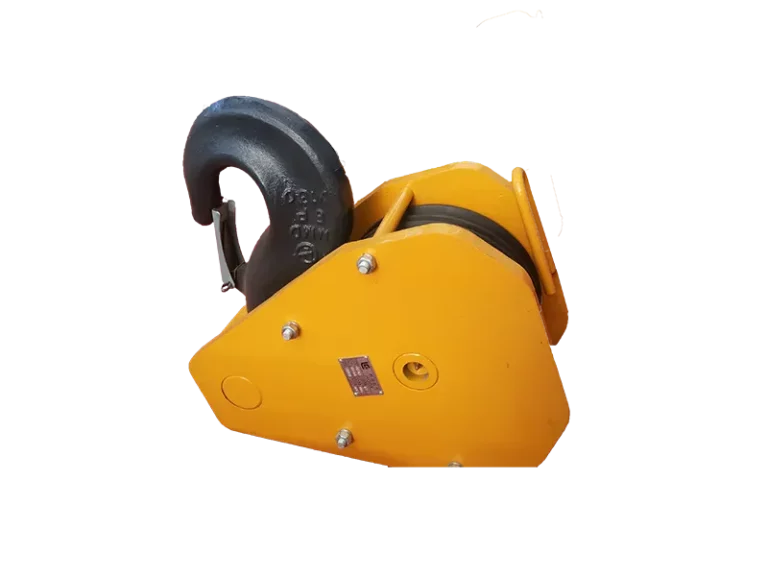
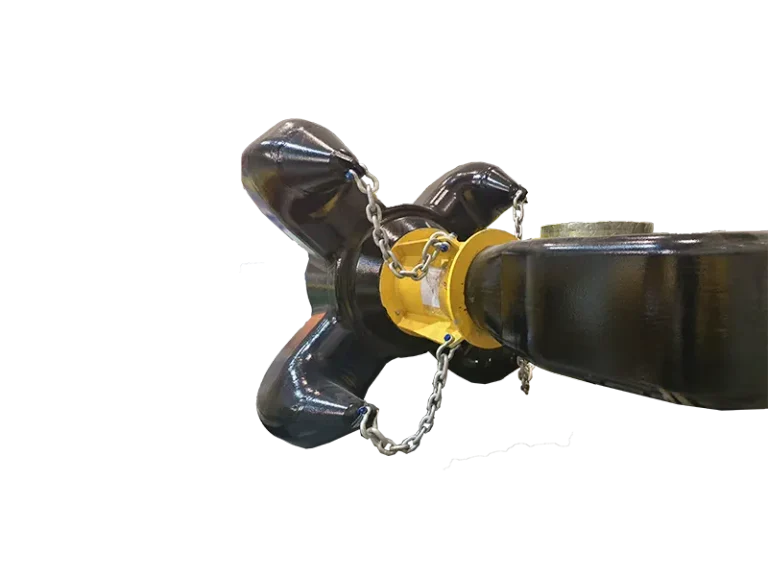
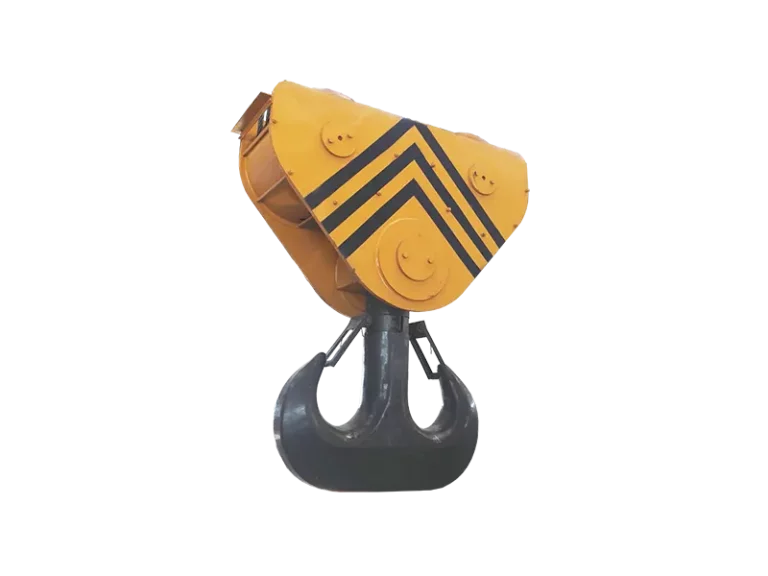
If you walk through any large steel mill, shipyard, container terminal, or construction site in Vietnam, Indonesia, the Philippines, or Thailand, chances are the lifting hooks doing the heaviest work — the forged crane hooks rated at 5 tons, 50 tons, even 500 tons — came from one small corner of central China: Xinxiang, Henan Province, and more precisely the city of Changyuan at its heart.
That is not a coincidence. Changyuan is known across the industry as “China’s Crane Capital” (中国起重机械之都). Around 55% of China’s complete crane manufacturing capacity is concentrated in Xinxiang and Changyuan, which together produce roughly 300,000 complete cranes and 1.7 million sets of components every year, holding more than 70% of the domestic market. This massive concentration is exactly why Southeast Asian OEMs and trading houses keep coming back for their forged lifting hooks. Here is the real story behind their preference.
1. A Complete Cluster That Cuts Cost to the Bone
The single biggest reason is price — and it comes from scale, not from cutting corners.
Xinxiang is not home to one or two hook makers. It hosts more than 1,100 crane and component manufacturers, from global-name complete-crane builders like Weihua Group down to specialized forged-hook workshops. When an entire industrial chain — forging billets, die making, heat treatment, machining, surface finishing, testing, and export logistics — sits within a few dozen kilometers, every stage is competitive. That drives the landed cost of a forged hook far below what a buyer could achieve importing from a standalone factory elsewhere.
For a Southeast Asian manufacturer assembling cranes or lifting gear, component cost is a huge part of the bill of materials. Sourcing from the cluster means they get a forged hook at a price that leaves room for their own margin.
2. You Are Buying Decades of Safety Know-How
A lifting hook is not a commodity part — it is a safety-critical component. A failed hook can mean a collapsed load, property damage, or loss of life. This is where Xinxiang’s track record matters.
Local suppliers have been forging hooks for decades, and they supply their products to some of the most demanding names in the world. For example, ZhongQi, a well-known forged-hook brand based in Xinxiang, has supplied Konecranes, Demag, Zoomlion, and Sany, and exported to markets including Spain, Japan, and Russia. When a component maker is a qualified supplier to the world’s largest crane brands, Southeast Asian manufacturers can buy with confidence that the forging process, material selection, and heat treatment meet international safety expectations.
3. One-Stop Control of the Entire Forged-Hook Process
Forging a lifting hook properly requires a tightly controlled sequence: selecting the right carbon or alloy steel, die forging to align the grain flow with the hook’s curvature, heat treatment to achieve the required hardness and toughness, machining, magnetic-particle or ultrasonic inspection, and final proof-load testing.
In Xinxiang, all of these steps exist inside the same cluster. A buyer can source a raw forging, or a fully machined, tested, and painted hook assembly — with certificates — from one supplier. This vertical integration shortens lead times and removes the coordination risk that comes from dealing with multiple factories in different countries.
4. Fast Lead Times and Real Customization
Southeast Asian manufacturers rarely need an off-the-shelf hook. They need non-standard hooks — special hook widths to fit a particular sheave block, specific throat openings, custom lifting capacities, or hooks rated for marine or metallurgical duty.
Xinxiang’s dense cluster excels at this. Because die shops, machining shops, and foundries are neighbors, quoting and production are fast. A buyer can request a custom 50-ton dual-hook design and receive a prototype in weeks rather than months. For an OEM with a tight project deadline, that responsiveness is often worth more than the price saving itself.
5. Export Muscle and Logistics Built for Southeast Asia
The region knows Xinxiang because Xinxiang already serves it. Crane and lifting equipment from the cluster reaches more than 170 countries and regions, including 32 Belt-and-Road partner countries, and the local industry holds testing and certification mutual-recognition agreements with more than 70 countries.
Many Xinxiang exporters have long-standing customer bases in Singapore, Indonesia, Malaysia, Vietnam, and the Philippines — markets they understand well. Export packaging, documentation, Incoterms, and sea freight routing to Southeast Asian ports are routine for them, which removes the friction that first-time importers often fear.
6. Government and Industry Infrastructure Backing
This is not an accident of geography — it is an engineered ecosystem. Changyuan Economic Development Zone, a national-level new industrialization demonstration base, hosts tens of thousands of workers and is organized specifically around crane manufacturing. Local government has promoted chain-wide upgrading, quality standardization, and international trade, which keeps the cluster’s quality and export capability improving year after year .
What This Means for a Southeast Asian Buyer
If you are weighing where to source forged lifting hooks, Xinxiang’s value proposition comes down to four things:
- Cost — cluster-scale economics keep unit prices competitive;
- Quality and safety — a long record of supplying global crane brands and certified “little giant” specialists;
- Speed and flexibility — fast lead times and genuine non-standard customization;
- Reliability — mature export experience and logistics tailored to Southeast Asian markets.
None of this means you should skip your own due diligence. Any serious buyer should still ask for material certificates, verify the heat-treatment and inspection reports, request a sample, and check that the supplier’s forging and testing follow the relevant international standard (GB/T 10051, ISO, or DIN, as applicable). But for the vast majority of lifting-hook requirements across Southeast Asia, the answer to “where should I source from” has been the same for years: Xinxiang.